What We Do
Our Vision
We envision a world in which children feel safe, connected, and cognitively empowered to effectively resolve conflict within themselves and with others in a socially sustainable way.
Our Mission
Support the neurodevelopment of children in the Caribbean Region and Developing Tropical Regions worldwide by:
- Building research, assessment, and intervention capacity within the CCCN
- Developing, implementing, and assessing measures of child neurodevelopment that are valid and reliable in tropical developing regions
- Designing, developing, implementing and assessing evidence-based intervention programs to improve child neurodevelopment in developing tropical regions
- Assessing the impact of intervention programs on child neurodevelopment
- Developing and disseminating inclusive, equitable best practice health, education, and social policies that support child neurodevelopment to local, national, regional, and international policymakers
Our Values
We value equal opportunity for all children to reach their full developmental potential.

A focus on equity guides us to recognize and address systemic barriers that may hinder the optimal development of children, regardless of their backgrounds or circumstances. By prioritizing equity, we aim to provide every child with equal access to resources, opportunities, and support systems needed for their holistic growth and well-being. This commitment drives our efforts to advocate for policies and initiatives that promote social justice, reduce disparities, and create environments where all children can thrive. Finally, equity underscores our dedication to culturally responsive practices wherein we acknowledge and value the diverse identities, experiences, and strengths within the communities we serve.

Parenting is the most challenging job on earth. Child development—which starts with the health of the parents—pre-conception through adolescence and into early adulthood—is incredibly complex. We believe that fostering diversity in our communities of primary caregivers and those who are coaching them is essential for discovering innovative and culturally relevant practices that support child neurodevelopment. By celebrating diversity, we aim to honour the unique identities, cultures, and traditions of the children and families we serve. We actively seek out and value diverse voices in our programs, staff, volunteers, and leadership, understanding that this diversity enriches our work and enables us to better meet the diverse needs of our community. By promoting diversity, we strive to create a more vibrant and inclusive society where all children are valued, respected, and empowered to reach their full potential.

Empowerment is a fundamental organizational value at the CCCN and drives the foundation of our work every day. We believe that the best way to support early child neurodevelopment is to equip caregivers with the knowledge, skills, and social support they need to be active participants in their own growth and development. This starts with caregiver self-regulation. Only through self-regulation can the caregivers "lend" their executive skills to guide children through the process of learning to regulate themselves as their brains develop. This process builds agency and self-efficacy in both caregiver and child. As caregivers come together to support each other, we see empowerment at the community level. This fosters collaboration, leadership, and collective action to address systemic barriers and promote positive change within communities. By embracing empowerment as a core value, we aim to create a world where every child has the opportunity to thrive, and every family and community has the agency to shape their own future.

Life is filled with internal and external conflict. This will probably never change. It is our duty to equip all children with the knowledge and skills to overcome adversity, thrive in the face of challenges, and navigate internal conflict (i.e., mental illness) and external conflict (i.e., disagreements, arguments, fights) in healthy ways. This is resilience. Our programs and initiatives foster resilience by empowering caregivers with knowledge, skills, and improved self-regulation, who will pass these skills for resilience on to children. We believe that resilience is a crucial asset that empowers individuals to navigate life's obstacles and setbacks with courage and determination. Furthermore, we work to create supportive environments that nurture resilience, emphasizing the importance of strong relationships, safe spaces, and a sense of belonging for children and families. By prioritizing resilience as a core value, we aim to empower children to overcome adversity, build strong foundations for their future success, and contribute positively to their communities.

The world is not fair. We are working every day to remedy this reality. To accomplish this, we believe that all children must be given the best chance to develop by reducing and, ultimately, eliminating adverse childhood experiences, empowering caregivers, supporting strong social emotional connections between caregivers and children, and building community networks around caregivers as they empower the children in their care. We advocate for policies and practices that prioritize fairness and inclusivity, striving to create a level playing field where every child has the chance to thrive and reach their full potential. We believe in ensuring fairness, justice, and equal opportunities for all children, regardless of their background, identity, or circumstances.
Our Theory of Change
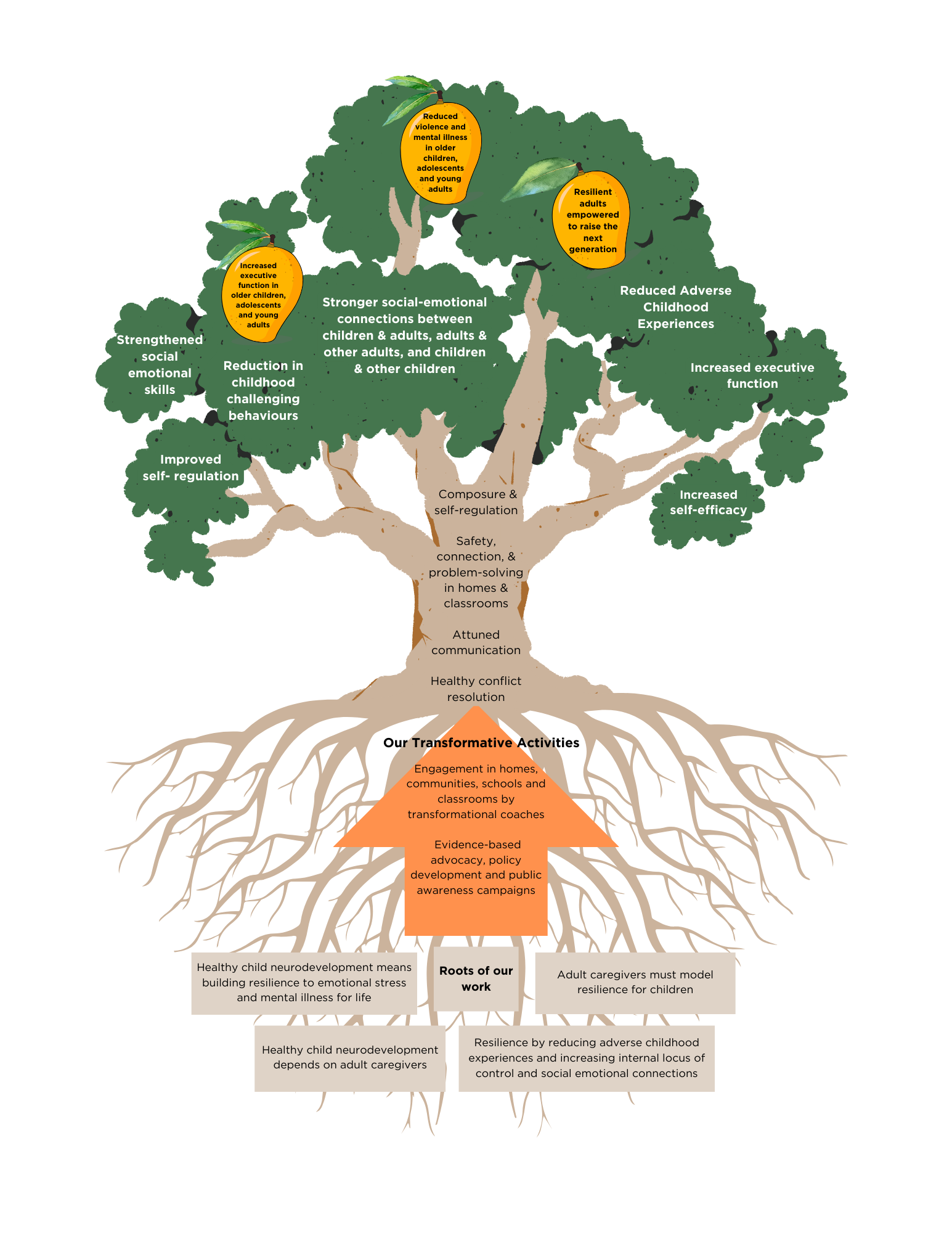
Healthy child neurodevelopment means building resilience to stressors across the lifespan by: (1) reducing exposure to Adverse Childhood Experiences (ACEs); (2) forging strong and positive social emotional connections; and (3) increasing a sense of internal locus of control. Healthy child neurodevelopment depends on adult caregivers, who must model resilience and teach children the knowledge and skills needed to achieve it. The CCCN accomplishes this by implementing: (1) Home and community engagement of parents and other primary caregivers by transformational ECD coaches; (2) teacher and classroom engagement by transformational ECD coaches; (3) Evidence-based advocacy and policy development; and (4) public awareness campaigns. These transformative activities lead to improved safety, connection, and problem-solving in homes and classrooms, attuned communication, healthy conflict resolution, improved composure and increased self-regulation among the caregivers. The short-term outcomes in the children include: (1) reduced ACEs; (2) improved self-regulation; (3) increased self-efficacy; (4) stronger social emotional connections between children and adults as well as children and other children; (5) strengthened social emotional skills; (6) reduced challenging behaviours. Long-term outcomes among the children as they age into adolescence and adulthood include: (1) increased executive function; (2) reduced violence; (3) reduced incidence of mental illness; and (4) resilient adults who are empowered to effectively raise the next generation.
Our Methodology
Child development is complex. We therefore implement the mission of the CCCN by following a multi-pillar approach. We draw upon the latest and most impactful research across numerous disciplines: Neuropsychology, Social Psychology, Neuroscience (and social neuroscience), child development, sociology, and public health (especially prevention science). We develop, revise, implement, and assess interventions that are designed to strengthen the social-emotional connection between mothers and children. We recognize that maximizing brain development in young children means maximizing health, mental health, and well-being in mothers. We also recognize that accurate measurement of child neurodevelopment is necessary to assess the impact of intervention programs. Community based efforts must be paired with changes in laws, government policies, and public health programs that support the well-being of mothers and their children.
Our Pillars
We design and implement programs that enhance healthy development in children by focusing on safety, relationships, and eliminating violence.
We design and conduct child assessments to ensure that our interventions are making difference.
We work as advisors and consultants with local, regional, and global partners to ensure that child and family health is at the forefront.
Our primary focus is on preventing problems before they occur. We use our team’s multidisciplinary expertise to reduce violence and to promote and enhance population health and resilience.
Our Impact
Our Current Projects and Programs
2026
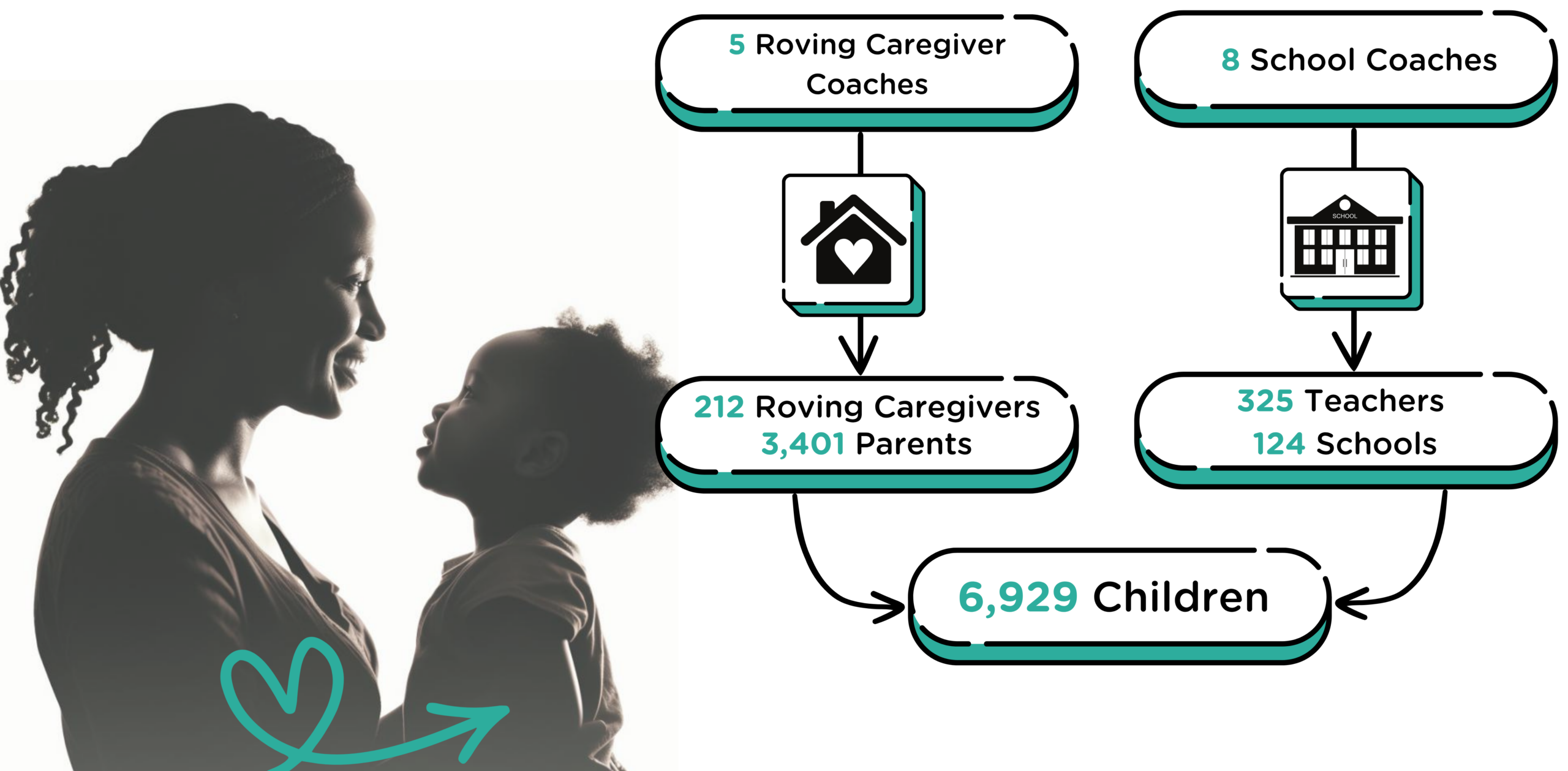
[CCCN] Conscious Discipline School Coaching
Since 2017, CCCN has delivered in-class coaching to daycare, preprimary, and primary school educators across Grenada, strengthening classroom safety, connection, and problem-solving using the Conscious Discipline model. Supported by Grand Challenges Canada (TTS 2017–2019), CCCN, and the Becky Bailey Foundation, Coaches provide real-time guidance and support to teachers and caregivers. CCCN evaluates programme impact through teacher questionnaires, repeated classroom observations, and neurodevelopmental assessments of children in participating classrooms.
[CCCN x RCP] Conscious Discipline Roving Caregiver Coaching
This program extends CCCN’s Conscious Discipline Coaching Model into homes, partnering with the national Roving Caregiver Programme (RCP) to support parents of young children. CCCN-RCP Coaches work alongside Roving Caregivers to strengthen parent-child relationships, promote child rights, and encourage non-violent parenting practices. Program effectiveness is assessed through parent questionnaires and structured home observations. This initiative is funded by the European Commission’s Human Rights and Democracy Fund.
[CCCN x LACC] Partnership with Legal Aid and Counseling Clinic’s Man to Man Programme
Through support from the European Commission’s Human Rights and Democracy Fund, CCCN partners with the Legal Aid and Counseling Clinic (LACC) to strengthen and evaluate its Man to Man Programme, which works with adjudicated male perpetrators to reduce violence against women and children. CCCN contributes to programme funding and conducts rigorous monitoring and evaluation, including pre- and post-assessments to measure changes in behaviour, knowledge, attitudes, and rates of recidivism.
[CCCN x CFLI] Coaching4Dads
Coaching4Dads is a father-led parenting program designed to equip fathers with practical skills to build strong, nurturing relationships with their children. Using CCCN’s proven Conscious Discipline Coaching Model, small groups of fathers participate in guided learning and peer support. Funded by the Canada Fund for Local Initiatives (CFLI), the programme is evaluated through participant questionnaires and interviews to assess its impact on parenting practices and family relationships.
[UNICEF x CCCN x Government of Grenada] Intersectoral Early Childhood Development Strategy and Implementation
Funded by UNICEF through the Grenada Ministry of Education, this multi-year initiative strengthens coordination of services, policies, and resources for young children and families. CCCN conducted extensive research, reviewing thousands of documents and engaging over 600 stakeholders, including parents, caregivers, educators, and policymakers, to inform the development of a comprehensive national strategy. The strategy aims to modernize policy, eliminate service gaps and duplication, and establish a model system of Nurturing Care. CCCN continues to support its implementation.
[Maria Holder Memorial Trust x CCCN] Empowering Early Years: Building Early Intervention Capacity in Saint Lucia and Grenada
Funded by the Maria Holder Memorial Trust, this regional initiative addresses the urgent shortage of trained early intervention professionals for young children with neurodevelopmental delays and disabilities. In partnership with the Child Development and Guidance Center in Saint Lucia, CCCN will train early intervention assistants, equip school leaders to better support children with special needs, and establish universal screening and surveillance systems. CCCN’s expert assessors will provide specialized training in developmental screening, assessment procedures, and implementation protocols to ensure all children can access their right to education.
Supporting the Future of Early Childhood Development
CCCN continues to develop innovative programs to improve outcomes for children and families across the region. Our grants team actively pursues new funding opportunities, while our communications platforms share research, impact, and opportunities for engagement. We invite partners, supporters, and the public to follow our work and help expand nurturing care for every child.